
Enhancing Athletic Performance with Professional Therapeutic Massage Techniques
The Benefits of Professional Therapeutic Massage for Athletes
Therapeutic massage can improve an athlete's flexibility, reduce muscle soreness, and enhance blood circulation. It can also help in preventing injuries by identifying muscle imbalances and tightness early on. Additionally, professional therapeutic massage aids in faster recovery after intense workouts, promoting overall well-being and peak athletic performance.
Understanding the Impact of Massage on Athletic Performance
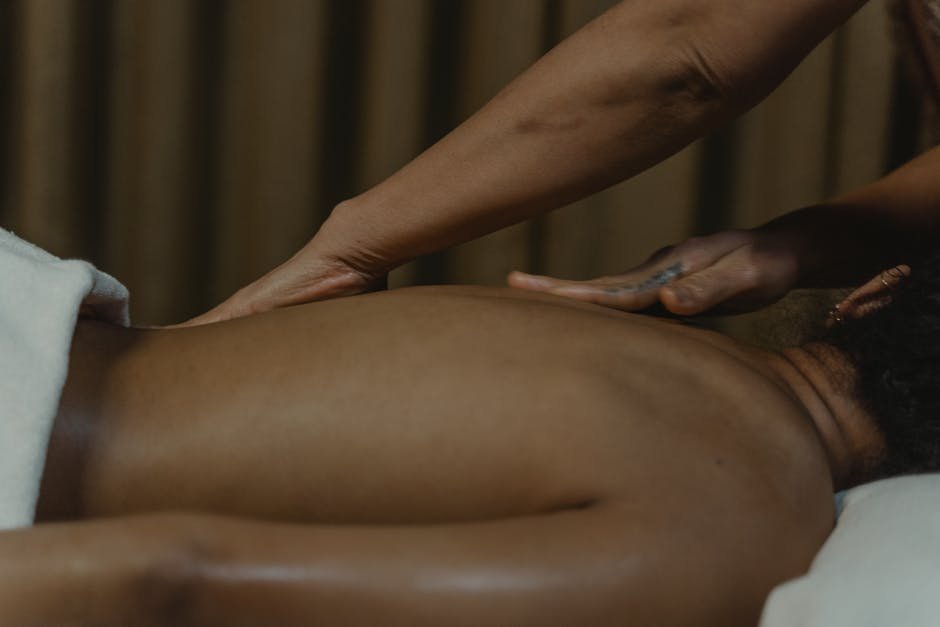
Massage can improve athletic performance by increasing blood flow to the muscles, reducing muscle tension, and enhancing flexibility. A study published in the International Journal of Sports Physical Therapy found that massage therapy can help decrease muscle soreness after exercise and improve range of motion. Additionally, massages can aid in the recovery process by reducing inflammation and promoting relaxation. Athletes who incorporate regular massages into their training routine may experience improved performance, faster recovery, and decreased risk of injuries.
Techniques Used in Professional Therapeutic Massage
In professional therapeutic massage, various techniques are utilized to enhance athletic performance. These techniques focus on improving flexibility, reducing muscle tension, and promoting faster recovery. Some common techniques used include deep tissue massage, Swedish massage, sports massage, myofascial release, and trigger point therapy. Each technique targets specific areas of the body to address different issues such as tight muscles, knots, and general soreness. By combining these techniques, athletes can experience improved range of motion, enhanced circulation, and overall better performance on the field or in training.
Customization of Massage Based on Athletic Needs
Therapeutic massage can be customized for athletes to target specific areas of the body and address individual needs. Sports massages are common for athletes, focusing on flexibility, endurance, and recovery. Deep tissue massages target deeper layers of muscles to relieve tension and improve range of motion. Trigger point therapy is effective for releasing knots and tight spots in muscles. Stretching techniques are also often incorporated to enhance athletic performance and prevent injuries. Tailoring the massage to the athlete's requirements can lead to improved physical condition and overall performance.
Pre-Event Massage for Performance Optimization
Pre-event massage aims to enhance athletic performance by boosting circulation and flexibility, reducing muscle tension, and increasing range of motion. It helps athletes prepare physically and mentally for their upcoming performance, promoting relaxation and focus. The timing of the massage is crucial, ideally taking place 15-45 minutes before the event to stimulate the muscles without causing fatigue. The main benefits of pre-event massage include improved muscle performance, reduced risk of injury, and heightened mental preparation for optimal performance.
Post-Event Massage for Recovery and Injury Prevention
Post-event massages can aid in quicker recovery and help prevent injuries for athletes. These massages are typically performed immediately after a sporting event. They help reduce muscle soreness, promote circulation, and remove waste products from the muscles. By receiving a post-event massage, athletes can enhance their overall performance and maintain their physical well-being.
Sports-Specific Massage Approaches
Sports-specific massage techniques are tailored to the unique needs of athletes to enhance their performance and aid in recovery. Deep tissue massage targets the inner layers of muscles and is beneficial for relieving muscle tension and promoting flexibility. Swedish massage focuses on relaxation, improving blood circulation, and reducing muscle soreness. Trigger point therapy aims to release tight knots in muscles that cause pain and restrict movement. Active release technique involves targeting specific muscles to break up scar tissue, improve mobility, and prevent injuries. Incorporating these sports-specific massage approaches can play a vital role in optimizing an athlete's performance and overall well-being.
Integrating Massage into Training Programs
Many athletes are now including massage in their training routines. Integrating massage into training programs can enhance performance by improving flexibility, reducing muscle soreness, and increasing circulation. Some key benefits of incorporating massage into your regimen include:
Increased range of motion
Faster recovery time
Improved muscle relaxation
Enhanced overall well-being
Professional therapeutic massage techniques can be tailored to target specific muscle groups and areas of tightness, helping athletes achieve their peak physical condition.
Maximizing Athletic Performance through Therapeutic Massage
Athletic performance can be greatly enhanced through therapeutic massage. By reducing muscle tension and increasing flexibility, massage helps athletes perform at their best. Regular sessions aid in preventing injuries, improving recovery time, and promoting overall well-being. Deep tissue massage and sports massage are popular techniques used to target specific areas of the body and alleviate muscle soreness. Additionally, massage therapy can increase blood circulation and reduce inflammation, contributing to optimal athletic performance.